Painting on Santa Ana Wind and Dust Days in Riverside

No exterior coat goes on while the wind is blowing grit across the wall. In Riverside, CA the dry gusts that come down from Box Springs Mountain and across the Santa Ana River bottom (a day the notes at painting contractor riverside black tea society return to often) strip moisture from a wet film and fill it with dust, and a painting contractor has to decide early whether to start or wait.
Why wind ruins a wet finish

Paint needs time to flow out and level. Dry wind pulls solvent and water off the surface in minutes, so a latex film skins before the roller marks flatten. Grit lands in the wet coat and stays there, each speck a small bump that catches light, and a satin or semi gloss sheen shows every one.
Overspray and the airless sprayer
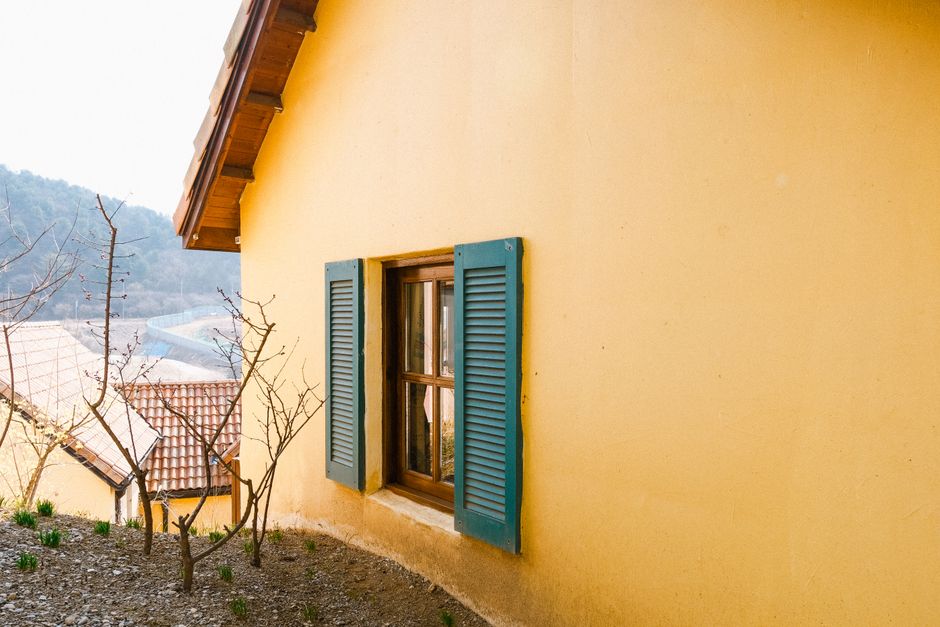
An airless sprayer in a gusty yard is a problem for the neighbors' cars, windows and gardens. The fan pattern bends, paint drifts, and the wall gets uneven coverage. Most crews switch to a roller and brush on windy days, or stop spraying when gusts move the mist sideways.
Dust control on the ground
Bare dirt beside a wall is the main source of grit. Wetting the soil before work settles it, and tarps pinned along the foundation catch some of the blown material. A wash the day before removes loose dust from the wall, and caulk and patching are done early so the wall has settled before coating. Rough patches that get sanding need a dust wipe before any primer.
Reading the day
Crews watch the forecast for red flag wind warnings and the dry, hot days that come with them. Wind often peaks in the afternoon, so the schedule moves to early morning. When gusts keep up from dawn, the job moves to another day, and the paint stays in the can.
What the finish looks like when it goes wrong
A wall painted on a windy day feels gritty when a hand is run across it, and a flat finish hides less than expected. Dry flash can also leave lap marks and streaks, and an enamel on trim takes a speckled surface. Repair means a scuff sand, spot primer and a second topcoat.
Protecting the film while it cures
Even after the surface is touch dry, a fresh film stays tacky enough to hold dust for hours. The last coat goes on early in the day, ahead of the late afternoon gusts, so the finish is hard before evening winds arrive.