When to Stop Exterior Painting in Riverside Summer Heat
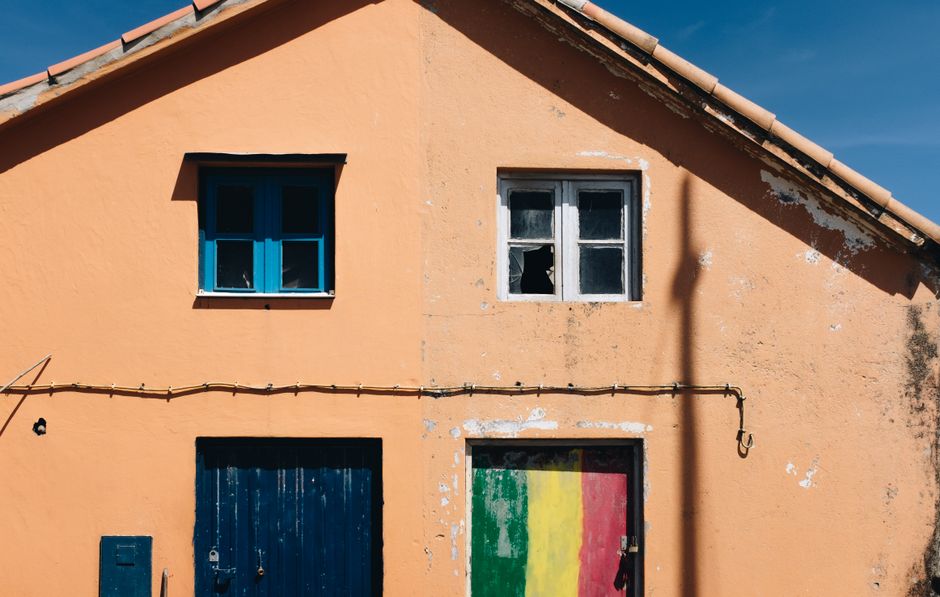
Four painters on a west wall lose three of their six useful hours once the sun swings round, so the day gets planned backward from the shade line. Exterior painting in Riverside, CA runs on that arithmetic from June through September, as the notes at painting contractor riverside black tea society describe. A painting contractor here works the east side of a house at dawn and the west side after the afternoon heat eases.
Surface temperature, not air temperature

The can label gives a maximum surface temperature, and a sun-baked stucco or siding wall can sit far above what a weather app reports. A cheap infrared thermometer pointed at the wall settles it. Dark trim reads hotter than pale siding beside it.
What goes wrong on a hot wall
Latex and acrylic coatings skin over before the film levels. The roller leaves ridges that set in place, and the next pass over a half-dry strip drags the surface and shows as a lap mark once the sun hits it at an angle. Blisters are the other failure: the top of the film dries and traps water below, then pops into small domes in the first hot week. A semi gloss or satin sheen shows every flaw, while a flat finish hides some.
Tracking the sun wall by wall
East walls go first, then north, then south, then west last, with eaves done while the lower walls are still in shade. Painting a long wall in one run, corner to corner, keeps a wet edge and avoids visible joins.
Mission Revival walls and uneven shade
Mission Revival homes near Downtown carry deep arches and parapets that throw patchy shade, so one wall can pass from cool to too hot within an hour. Stucco also holds heat into the evening, so a wall can stay unfit for coating well after the air feels comfortable.
Adjusting the product and method
Some topcoat lines use slower-drying binders for hot work, and a thinner second coat in the cooler window gives a more even film than one heavy pass. Two coats at the right mil thickness beat one thick coat. An airless sprayer covers fast and helps keep a wet edge, but spray dries in the air quickly, so crews back-roll to push paint into the surface.
When the right call is to stop
Stop when the surface crosses the label limit, when paint drags under the roller, or when the nap picks up half-dry film and lifts it. Stopping early costs a few hours. Recoating a blistered wall means scraping, sanding and starting over. Cold mornings bring the opposite limit, since dew sits on the surface until midmorning on winter days with an occasional freeze, so the working window shifts through the year.